LISA WISE • September 23, 2026

The Mediterranean - Asian Approach — Where Tradition Meets Longevity

September 16, 2026


We have spent the last few weeks exploring the ins and outs of metabolic health and insulin resistance, I’ve had some of my readers ask: "Lisa, what does the ideal daily plate actually look like in practice?"


Today, we are launching an exciting new series that brings together two of the world’s most celebrated culinary traditions for longevity: Combining the Mediterranean and Asian diets for the MediterrAsian Approach.


When you look at the "Blue Zones"—the regions of the world where people live the longest, healthiest lives—two distinct dietary cultures consistently rise to the top: the Mediterranean diet and the traditional Asian diet. When we combine them, we don't just get delicious food; we get a masterclass in metabolic medicine.


Why This Approach Works


Individually, both the Mediterranean and traditional Asian diets are powerhouses. Together, they create a nutritional synergy that naturally supports blood sugar balance, reduces inflammation, and protects your cardiovascular health:


  • The Mediterranean Foundation: Rich in extra virgin olive oil, wild-caught fish, fresh herbs, and an abundance of colorful vegetables, this tradition floods the body with anti-inflammatory polyphenols and healthy fats.


  • The Asian Tradition: Rich in sea vegetables, fermented foods (like kimchi and miso), healing spices (like ginger and turmeric), and antioxidant-rich teas, this tradition excels at gut health and metabolic resilience.


The Common Thread: Food as the Foundation


What do these two cultures share? They both build their meals around whole, unrefined ingredients, abundant plant fiber, quality proteins, and healthy fats, while keeping processed sugars and refined grains to a minimum.


It’s not about following a rigid, restrictive diet imported from across the globe; it’s about adopting the principles of these food traditions to nourish your cells and keep your insulin steady.

The "Step-by-Step" Action


You don't need to overhaul your entire kitchen to start bringing MediterrAsian elements into your life. This week, try one of these simple ideas:


  • The Cooking Fat Swap: Use heart-healthy extra virgin olive oil or avocado oil for your daily cooking, but incorporate anti-inflammatory spices like fresh ginger, garlic, and turmeric into your vegetable and protein dishes.


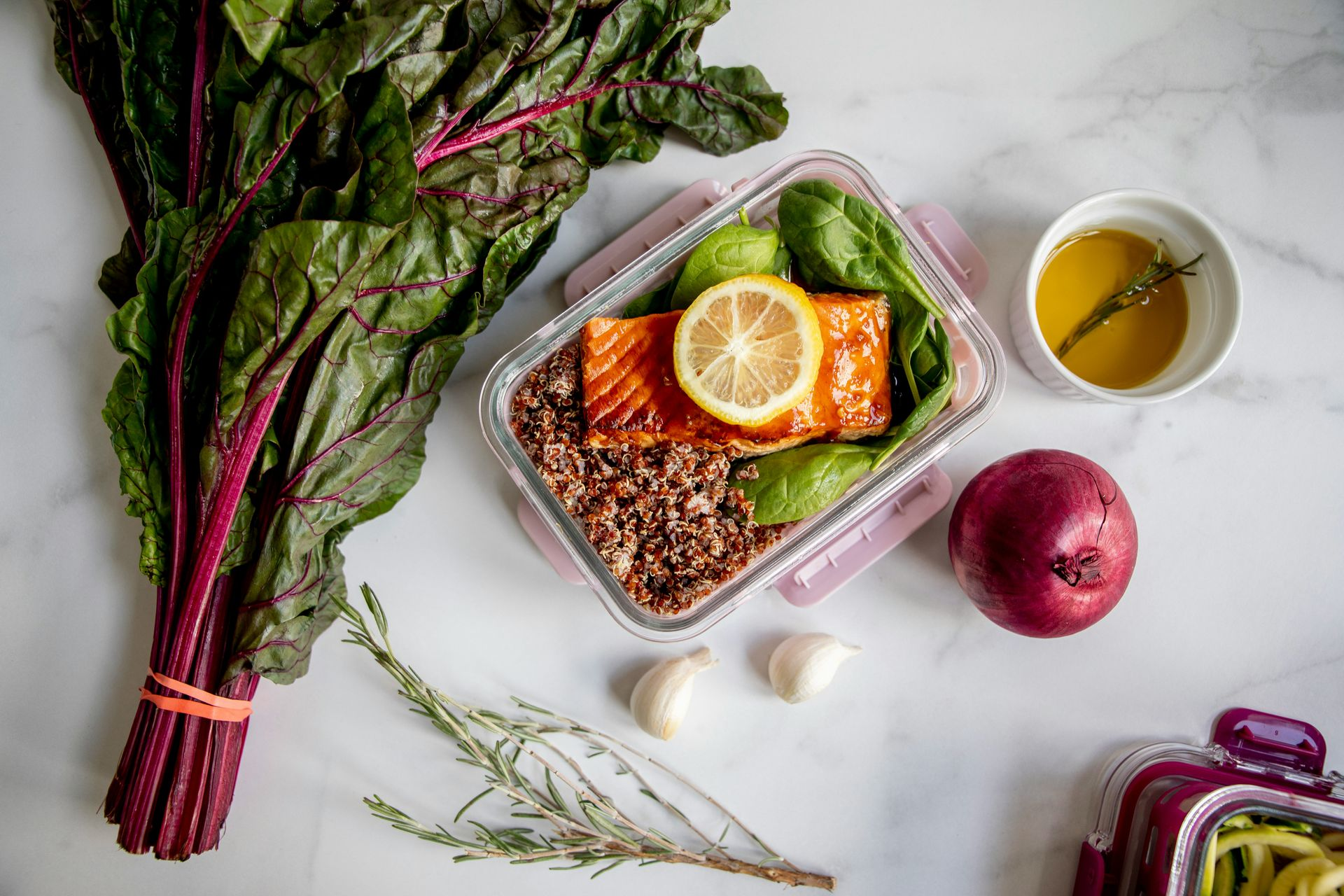
  • The Sea & Green Pairing: Pair a Mediterranean-style wild-caught salmon fillet with a side of steamed greens or seaweed salad dressed in sesame oil.


  • Need a Personalized Roadmap? Finding the right nutritional balance for your unique metabolism does not have to be rocket science. If you want to see how your current eating habits align with true health and wellness, reach out to me for a FREE consultation. We can look at your NESS (Nutrition, Exercise, Stress and Sleep) together!


Next week, let’s take a deeper dive and explore the Mediterranean side of the equation!


👉 Ready to explore a new way of nourishing your body? Book your FREE consultation here.


Hugs and Health,


Lisa


By LISA WISE September 23, 2026
Powerful Liquid Gold - Reclaiming Healthy Fats
By LISA WISE September 23, 2026
Wellness Wednesday: The Metabolic Blueprint - Putting It All Together
By LISA WISE September 4, 2026
The Stress-Sleep-Metabolism Connection — The Missing Links
By LISA WISE August 26, 2026
Nutrition as Metabolic Medicine — Food as Code
By LISA WISE August 26, 2026
The Root Cause — Understanding Insulin Resistance
By LISA WISE August 26, 2026
Decoding Metabolic Syndrome: It’s a Cluster, Not a Symptom 
By LISA WISE August 5, 2026
August 5, 2026 Over the last few weeks, we’ve covered a lot of ground in our Hydration & Vitality series. We’ve looked at why waiting until you're thirsty is a trap, why water needs an electrolyte partner, and how to fuel your movement before, during, and after a workout. Today, we are wrapping up this series by looking at the invisible side of the equation: the hidden daily habits that quietly drain your hydration levels without you even realizing it. You might be drinking your 64 ounces of water and mixing in your electrolytes, but if certain everyday habits are working against you, you could still be running on low power. The Three "Hydration Thieves" Without realizing it, many of us engage in daily routines that act like a sieve for our body's fluid and mineral balance:  The Over-Caffeinated Loop: We all love our morning coffee or afternoon pick-me-up. But caffeine is a mild diuretic, and when consumed without matching it glass-for-glass with water—plus electrolytes—it pulls fluid right back out of your cells. You feel wired, but your cellular engine is actually drying out. The Indoor Climate Trap: Whether you're blasting the air conditioning in the summer heat or sitting in heavy indoor heating, climate-controlled air sucks moisture right through your skin and breath. We often forget to drink when we aren't sweating outdoors, but indoor air is surprisingly dehydrating. The Hidden Sugar & Processed Carb Overload: High-sugar foods and heavily processed snacks draw water out of your tissues and into your digestive tract to help process the glucose spike. That post-lunch fatigue isn't just a carb crash—it's often acute cellular dehydration. The "Step-by-Step" Action You don’t have to give up your favorite coffee or hide from the air conditioning to stay healthy. It’s all about a simple compensatory rhythm: The 1-to-1 Rule: For every cup of coffee or caffeinated tea you enjoy, match it with a full glass of water. The Environment Check: If you work in an air-conditioned office or home, keep a visual cue—like a marked water bottle—on your desk to remind you that indoor air counts as a dehydrator. Audit Your Afternoon Slump: Next time you feel that 3:00 PM brain fog hitting, reach for a glass of electrolyte water before you reach for a sugary snack or a third cup of coffee. Need a Personalized Roadmap? Hydration is just one foundational piece of your metabolic puzzle. If you want to see how your daily habits are supporting your overall health goals, reach out to me for a FREE consultation . We can look at your NESS pillars (Nutrition, Exercise, Stress and Sleep) together and build a plan that works for your body. Support Your Cells: If you're looking for my favorite, clean-source electrolyte tools to help you protect your hydration from these everyday drains, click here to contact me directly . Next week, we are pivoting to our next major focus as we dive into our brand-new series on Metabolic Syndrome —starting with what it actually is and why it's a cluster, not just a single symptom! 👉 Ready to take control of your everyday vitality? Book your FREE consultation here . Hugs and Health, Lisa
By LISA WISE July 31, 2026
The body content of your post goes here. To edit this text, click on it and delete this default text and start typing your own or paste your own from a different source.
By LISA WISE July 22, 2026
July 22, 2026 Last week, we talked about why waiting until you're thirsty means your body is already playing catch-up. Many of you reached out and asked the same follow-up question: "Lisa, I’m drinking more water, but I still feel tired—what am I missing?" The answer is likely Electrolytes. The "Sponge" Concept Think of your cells like a sponge. If that sponge is dry and brittle, you can pour water over it, but a lot of it will just run off the sides. Electrolytes—minerals like sodium, potassium, and magnesium—are what make your cells "absorbent." They act as the electrical vehicles that pull water into the cell so your body can actually use it. Without these minerals, you’re essentially drinking "empty" water that your body passes right through, leaving you hydrated on the outside but still parched on the inside. Why You Need Them More Than Ever If you are active, live in a warm climate, or are simply dealing with daily stress, you are burning through your electrolyte stores constantly. When these levels drop, you experience: The "Brain Fog" Barrier: Your nerves rely on electrical signals, which require electrolytes to fire correctly. The "Muscle Twitch" Factor: Cramps or fatigue are often just a "low-battery" signal from your muscles. The Afternoon Slump: Often, that 3:00 PM craving for sugar is actually your body crying out for minerals. The "Step-by-Step" Action How do you upgrade your hydration to "optimal" status? It’s not about expensive sports drinks loaded with sugar—it’s about mineral balance. Read Your Labels: If your electrolyte drink has more sugar than minerals, it’s not serving your metabolic goals. Look for clean, sugar-free options with a balance of sodium, potassium, and magnesium. The Morning "Mineral Boost": Add a pinch of high-quality sea salt or a balanced electrolyte powder to your first glass of water in the morning. It helps "jump-start" your cells for the day. Listen to Your Body: If you’re drinking water but still feel thirsty, try adding electrolytes instead of more volume. Reach out to me for a list of my favorites. Need a Personalized Roadmap? Hydration is just one piece of your metabolic puzzle. If you want to see how your current habits are supporting your health goals, reach out to me for a FREE consultation. We can look at your NESS - Nutrition, Exercise, Stress and Sleep - pillars together and build a plan that works for your body. Support Your Cells: If you're looking for my favorite, clean-source electrolyte tools to help you stay properly hydrated, check out my recommendations here. Next week, we’re going to get even more specific by talking about how to manage your hydration and electrolytes specifically for exercise—before, during, and after your workout! 👉 Ready to unlock your cellular energy? Book your FREE consultation here. Hugs and Health, Lisa
By LISA WISE July 15, 2026
July 15, 2026 We’re in the heat of summer, and you’ve likely heard the advice: "Drink more water." It feels simple, almost too simple. But I want to challenge you to think about hydration differently. It’s not just about quenching a dry throat; it’s about the electrical health of your entire system. The Cellular Reality When you are dehydrated, you aren’t just "thirsty." You are essentially running your body’s machinery on "low power mode." Every cell in your body needs water to produce energy (ATP), transport nutrients, and flush out metabolic waste. When your hydration levels drop, your cells struggle to perform these basic tasks. This is often where "hidden" symptoms show up—brain fog, afternoon slumps, stubborn headaches, or that feeling of being "stuck" even when you’re doing everything else right. Why "Just Thirsty" is Too Late The biggest myth about hydration is that we should wait until we feel thirsty to drink. By the time your brain sends you a thirst signal, your body is already functioning at a deficit. Your focus, your mood, and your metabolic rate have likely already taken a hit. The "Step-by-Step" Action How do you know if you're truly hydrated? Look for these three signs of a "High-Energy" state: Consistent Energy: No "mid-day wall" that forces you to reach for caffeine. Mental Clarity: That sharp, focused feeling without the "brain fog" haze. Physical Resilience: Your muscles feel pliable and ready, not stiff or tight. This week’s challenge: Don’t wait for the thirst signal. Start your day with 16 ounces of water before you have your first cup of coffee. Treat your first glass of the day as the "priming" of your engine. Need a Personalized Roadmap? Hydration is just one piece of your metabolic puzzle. If you want to see how your current habits are supporting your health goals, reach out to me for a FREE consultation . Support Your Cells: If you find you’re drinking water but still feeling "drained," it’s often about electrolytes, not just volume. Check out my recommended hydration tools here to ensure your body is actually absorbing the water you drink.  Next week, we’re going to talk about why water alone sometimes isn't enough—and why electrolytes are the "hidden key" to feeling truly hydrated. 👉 Ready to take a look at your Metabolic Health? Book your FREE consultation here . Hugs and Health, Lisa